

17 Sept 2026
Much potential lies untapped in the un-mined industry of e-waste in South Africa
On 17 September 2026, SmallTalX® welcomed Aysha Lotter to the Welcome Glen Farmhouse to share her knowledge of the E-waste management and policy landscape.
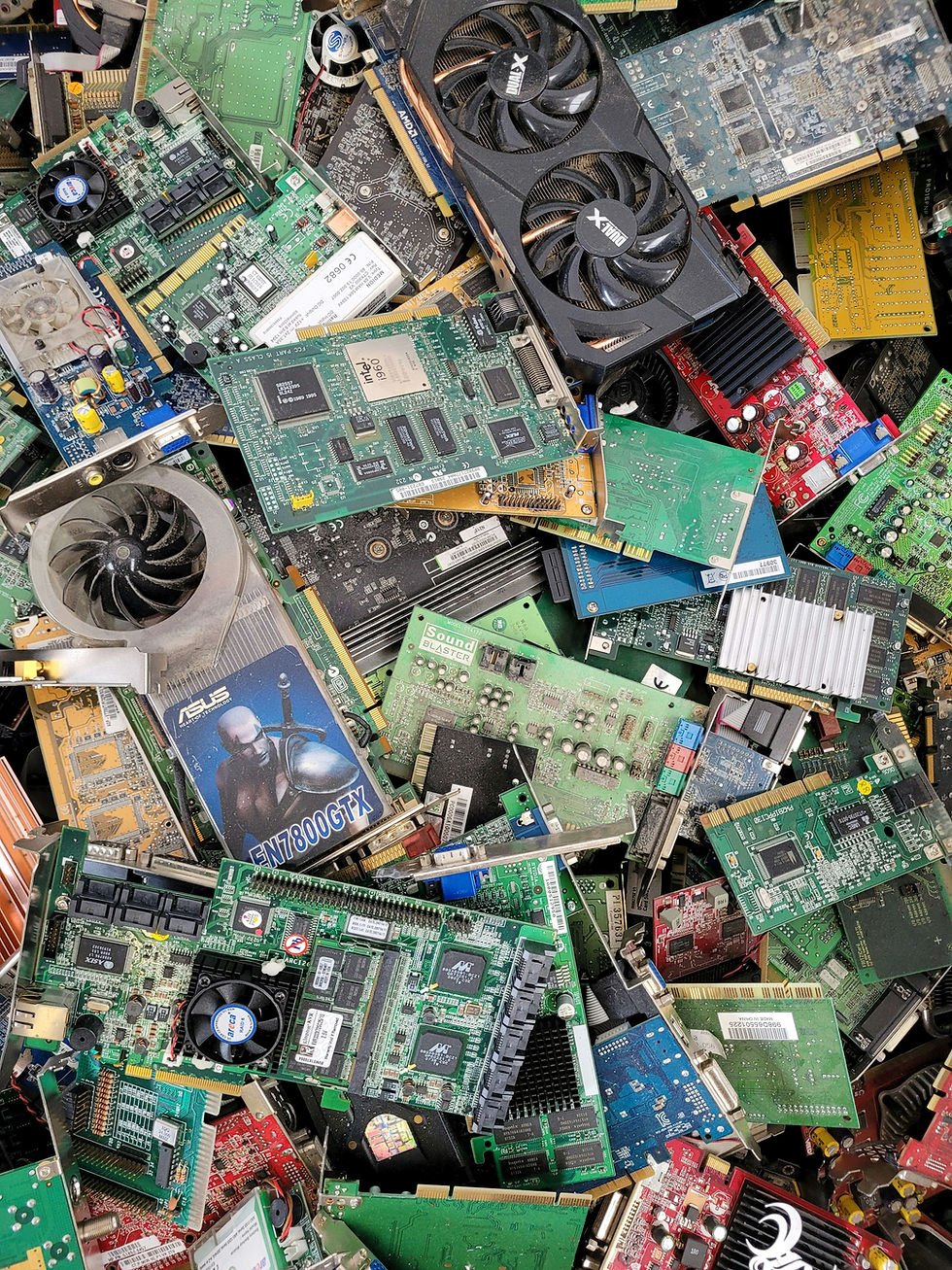
Electronic waste, or e-waste, is one of the less visible consequences of our increasingly digital lives. From smartphones and laptops to household appliances, chargers and batteries, the devices we rely on every day eventually reach the end of their useful lives. What happens next has significant implications for our environment, our health and the resources on which our technological world depends.
Aysha guided the audience through the complex landscape of e-waste management and policy in South Africa, opening up a conversation about the systems, responsibilities and practical challenges involved in managing discarded electronics. Behind every device lies a chain of material extraction, manufacturing, consumption and eventual disposal. Electronics contain valuable resources that can be recovered and reused, but they may also contain hazardous substances that pose risks when products are dismantled, dumped, or processed unsafely.
Responsible e-waste management is therefore about much more than finding the right place to discard an old phone. It involves designing products to last longer, extending their useful lives through repair and reuse, recovering valuable materials, and ensuring that hazardous components are handled safely. It also requires effective policies, accountable producers, accessible collection systems, and informed consumers working together.
Conversations such as this are central to ecological literacy because they help us see the environmental consequences hidden behind the convenience of modern life. Our digital devices can feel immaterial, yet their production depends on finite natural resources, energy, water, and complex global supply chains. Understanding what happens when we replace or discard them helps us make more informed choices, question our assumptions about technological progress, and recognise the shared responsibilities involved in moving towards a more circular economy.
We extend our sincere thanks to Aysha for sharing her knowledge and helping us examine an important environmental challenge through both a local and a systemic lens. Her lecture reminded us that sustainability is not simply a matter of individual good intentions: it also depends on the policies, infrastructure and collective action that make responsible choices possible.