

13 Aug 2026
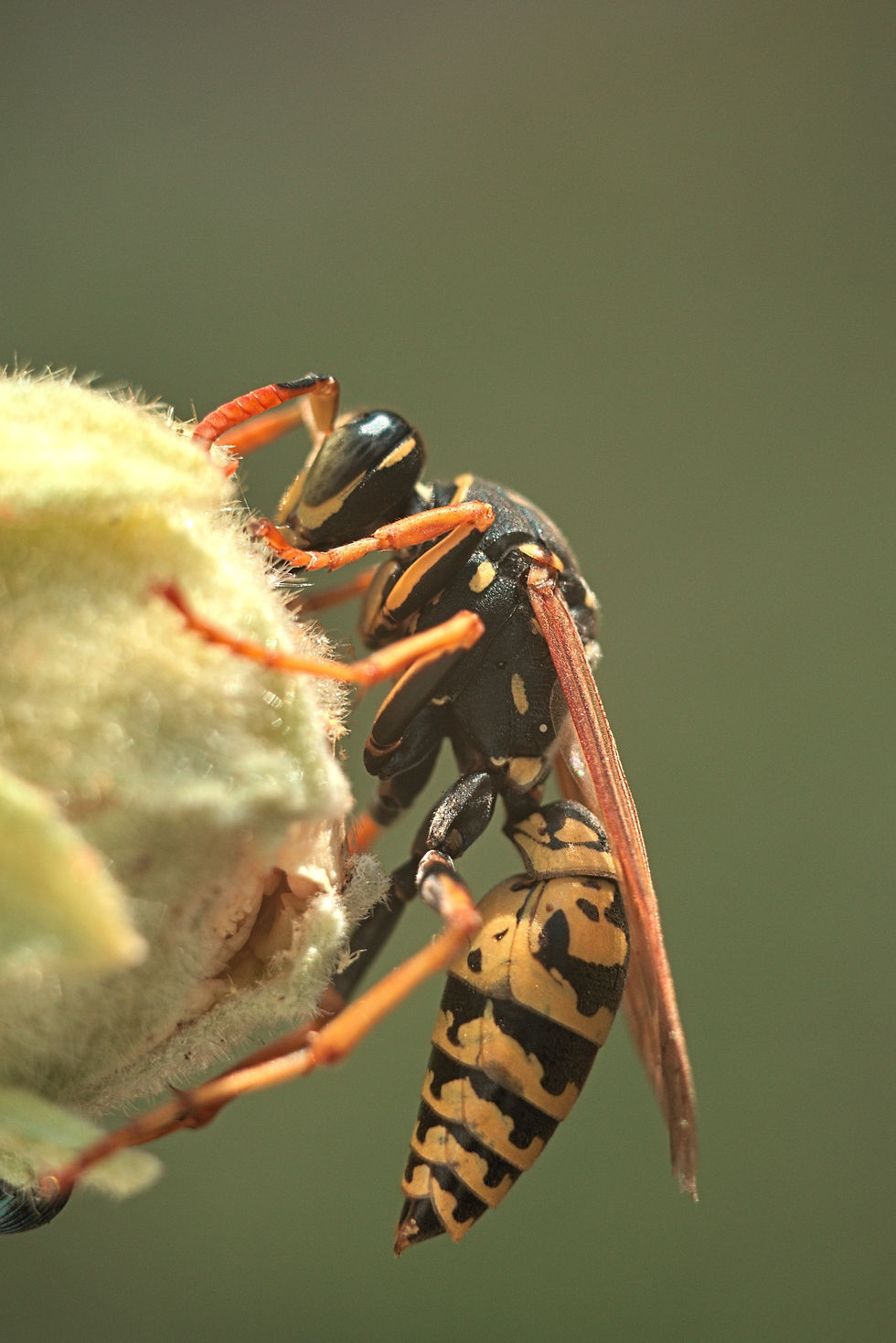
The complexities of wasps, their diversity, and their ecological ingenuity, could easily pass by unappreciated
On 13 August 2026, SmallTalX® was most grateful to welcome Dr Simon van Noort to the Welcome Glen Farmhouse for a fascinating lecture that opened a window into the often alien, endlessly inventive world of wasps.
With decades of fieldwork behind him, Dr van Noort is a distinguished entomologist and one of South Africa’s foremost experts on wasps. As Curator of Entomology at Iziko Museums of South Africa, his work has involved collecting, identifying and studying an extraordinary diversity of insects, helping us understand not only what these creatures are, but how they live and interact with the world around them.
The evening offered a glimpse into some of nature’s most astonishing survival strategies. Dr van Noort shared stories of parasitoid wasps that lay their eggs in or on other organisms, with their developing young eventually consuming their hosts. We heard about the remarkable ways wasps manipulate other species, and the ingenious reproductive strategies that allow some to deposit their eggs within fruits, ensuring that their offspring hatch into an environment rich in food. These intricate relationships reveal just how far evolution can push the boundaries of adaptation.
Yet wasps are much more than fascinating examples of nature’s ingenuity. They perform essential ecological roles, helping to regulate insect populations, including agricultural pests, through predation and parasitism. Many also contribute to pollination, while some have highly specialised relationships with particular plants. Fig wasps, for instance, are indispensable to the reproduction of their host fig trees. These often-overlooked insects are integral to the functioning of ecosystems, and their activities can even help reduce our reliance on chemical pesticides.
Lectures such as this deepen our ecological literacy by changing the way we see the familiar and the misunderstood. Wasps are often dismissed as nuisances, yet learning about their diversity, behaviour and ecological relationships reveals a far more complex picture. We begin to recognise that even the smallest organisms can have an outsized influence on the living systems around us, and that our own wellbeing is closely connected to relationships we may never otherwise notice.
We extend our heartfelt thanks to Dr van Noort for sharing his exceptional knowledge, fieldwork experience and enthusiasm with us. His lecture was a powerful reminder that the natural world is full of extraordinary complexity, and that the more we learn to look closely, the more there is to wonder at.